
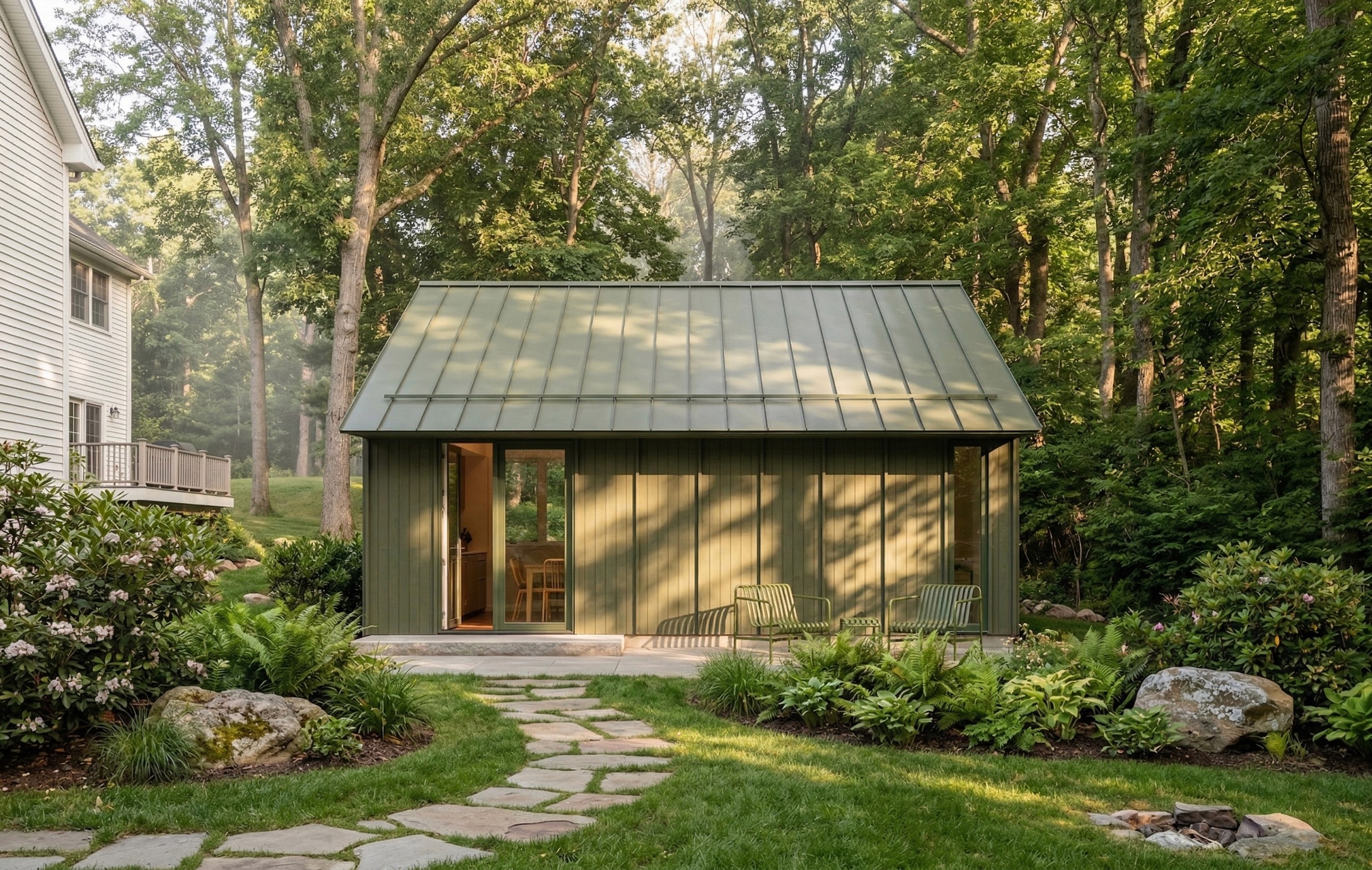
Unlock your yard.
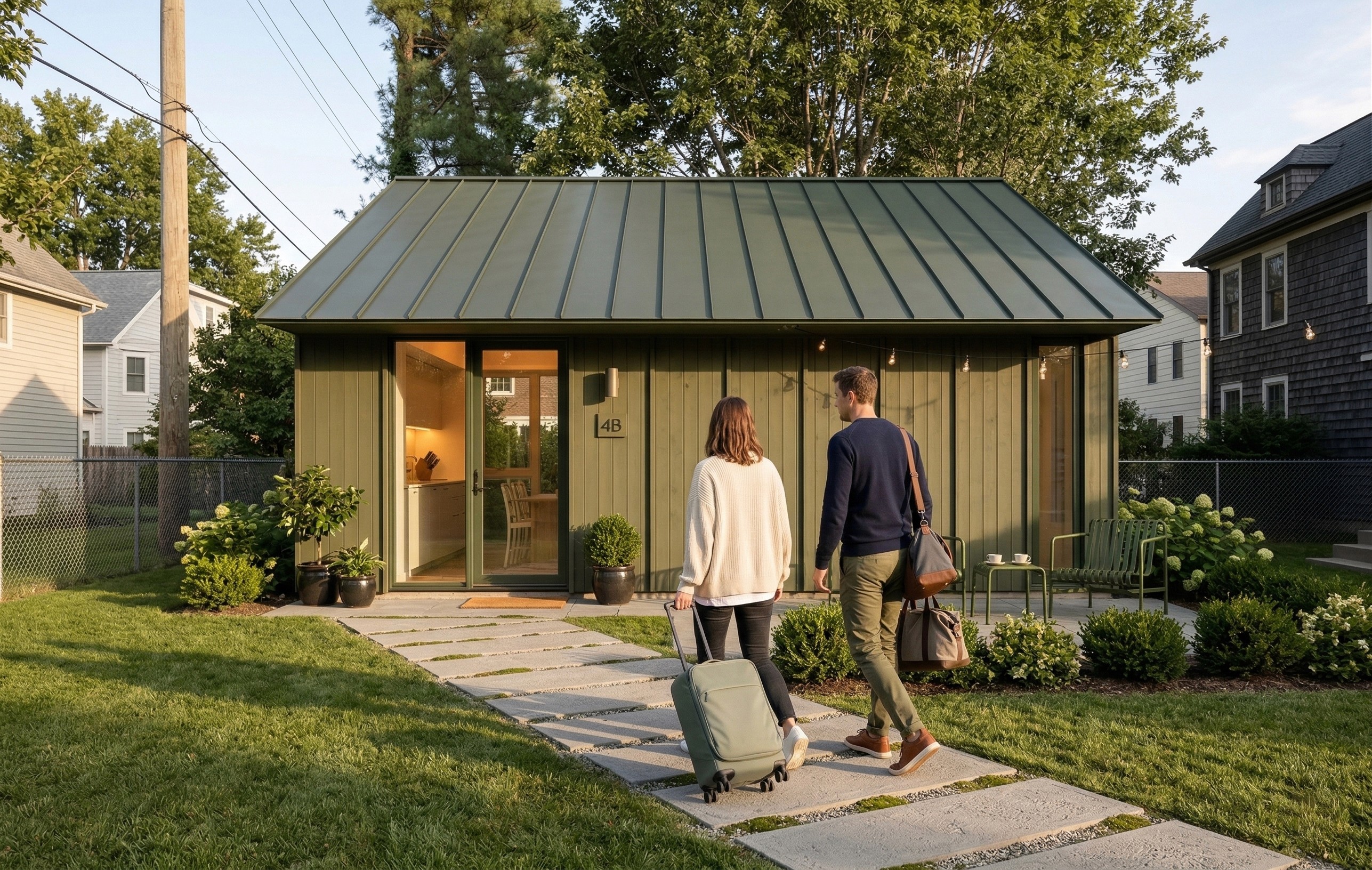
Rental income
Earn $2,000–$4,000/mo in NYC's rental market.
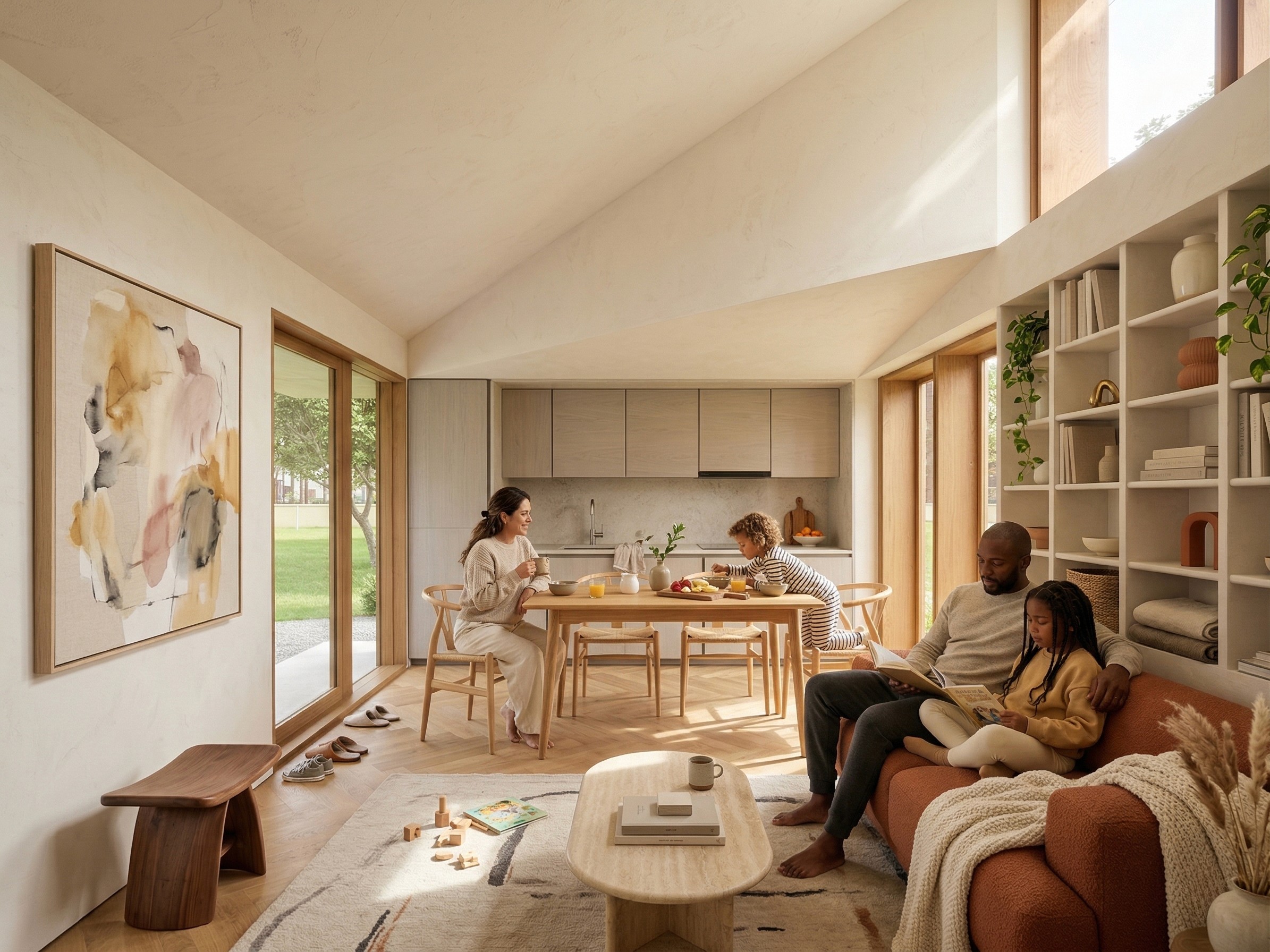
Family home
A private home for parents — steps away, not across town.
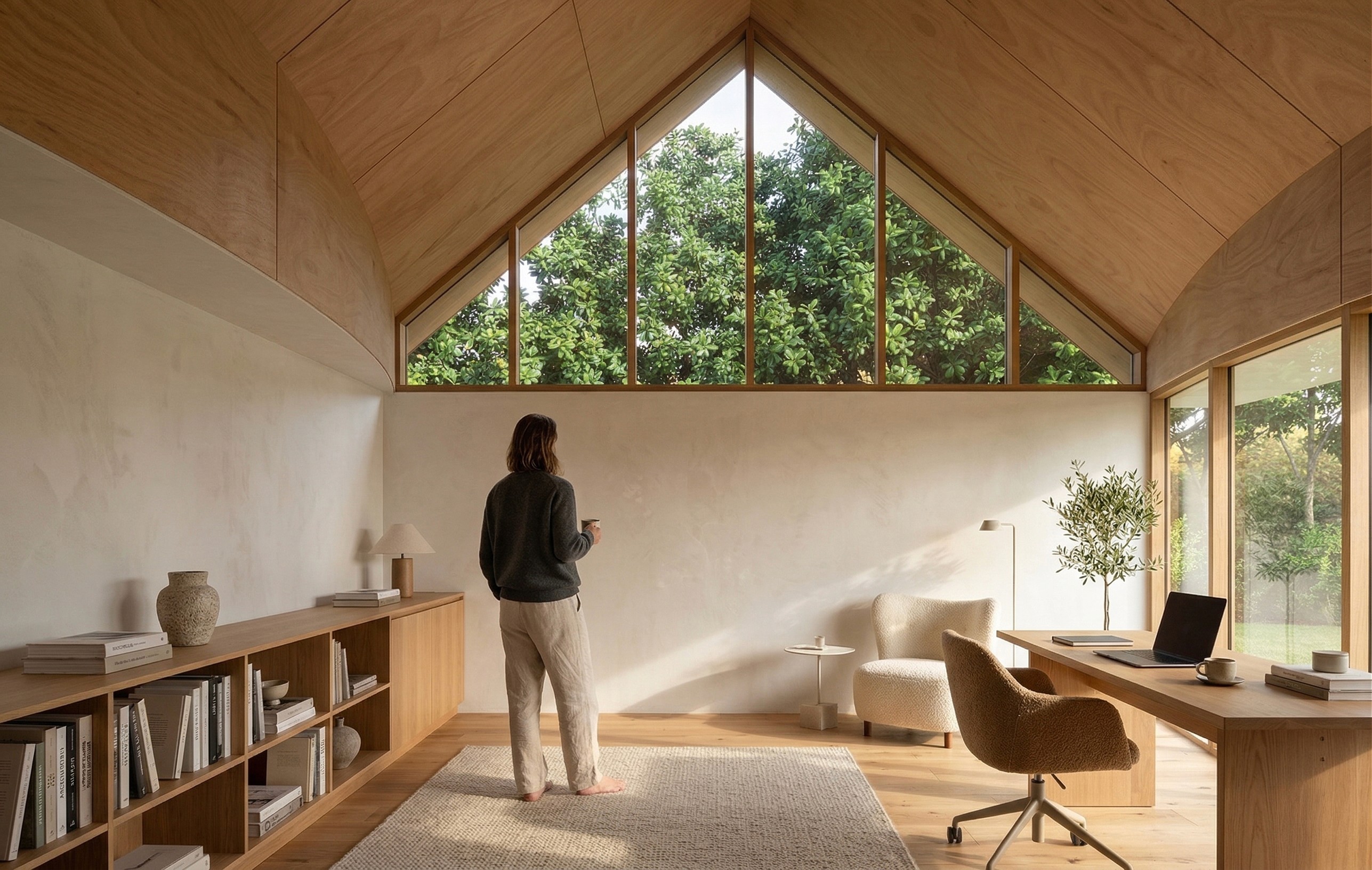
Backyard office
Cathedral ceilings, natural light, zero commute.
The full service, from backyard to keys.
Haven is your single point of contact throughout the entire ADU process. Design, permitting, and construction management, under one roof.
01
We design your ADU to maximize your lot, your light, and your budget. Every project is tailored to its site, not pulled from a catalog.
02
We handle the full NYC Department of Buildings application. Plans, forms, expediting, and approvals.
03
From foundation to finishes, we manage the build with vetted local contractors and weekly progress updates.
04
One team, one contract, one person to call. No juggling designers, expediters, and general contractors.
Case Study
Swoop ADU
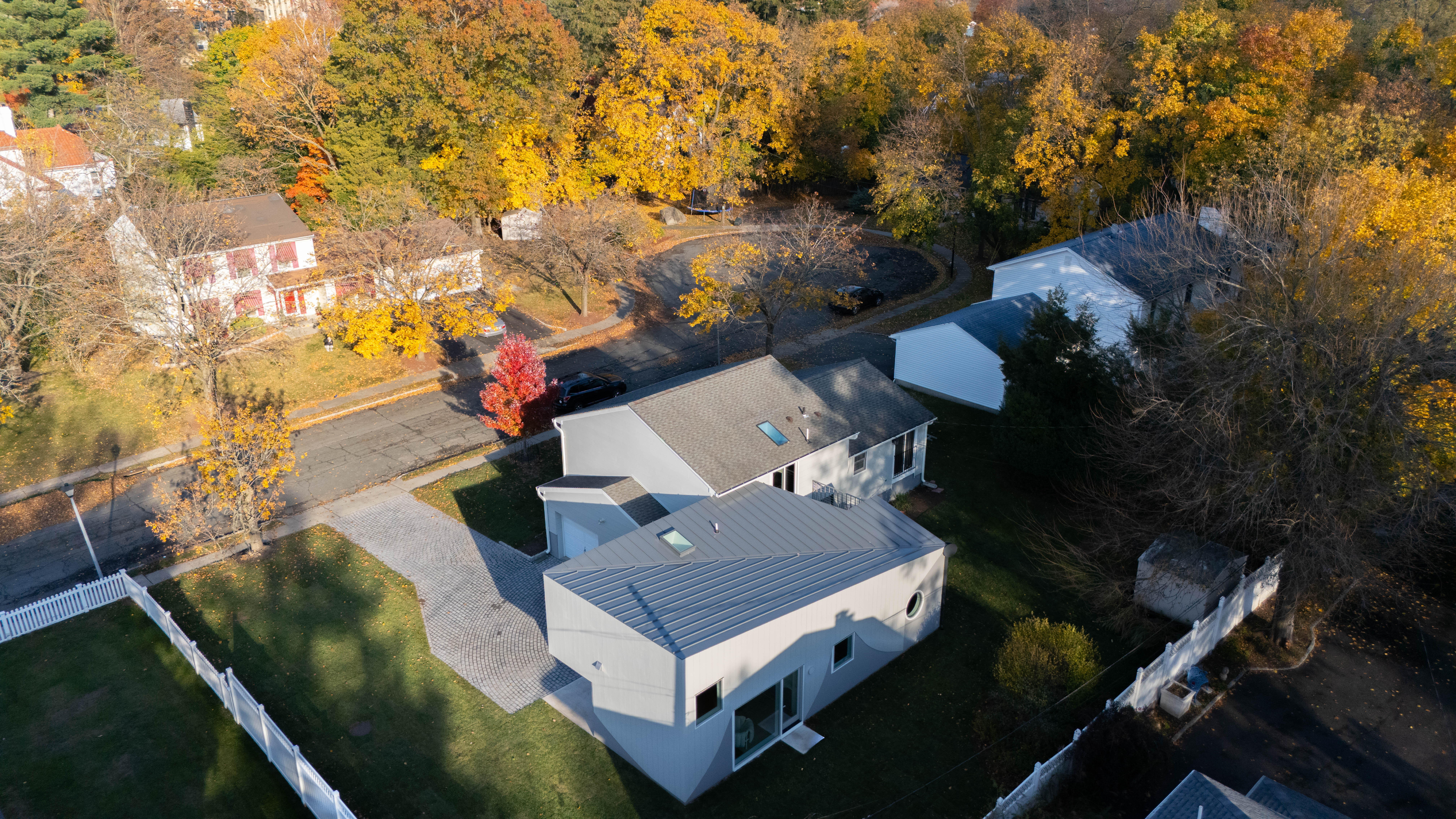
A custom attached ADU designed for a family in South Orange. From initial site assessment through permitting and construction, Haven managed the full process - delivering a 750 sq ft one-bedroom unit in under $300,000.
Read the Case Study →
Coming 2026
Coming soon:
factory-built ADUs for NYC.
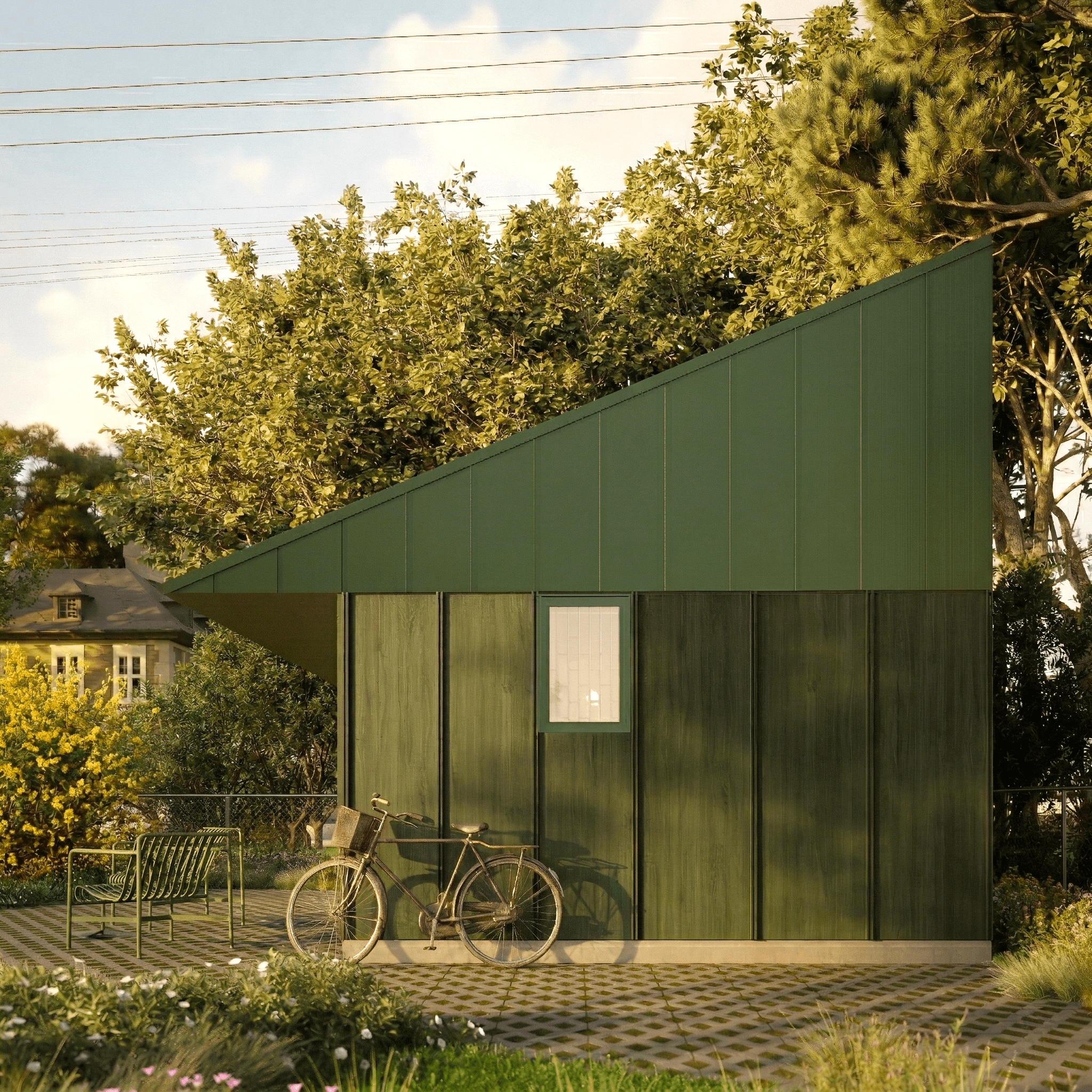
We’re launching a line of factory-built, designed-for-NYC ADUs. Studio and Studio+ models, engineered for local lots, zoning, and climate. Ready to permit and install in weeks.
Join the Waitlist →
Designed to live big.
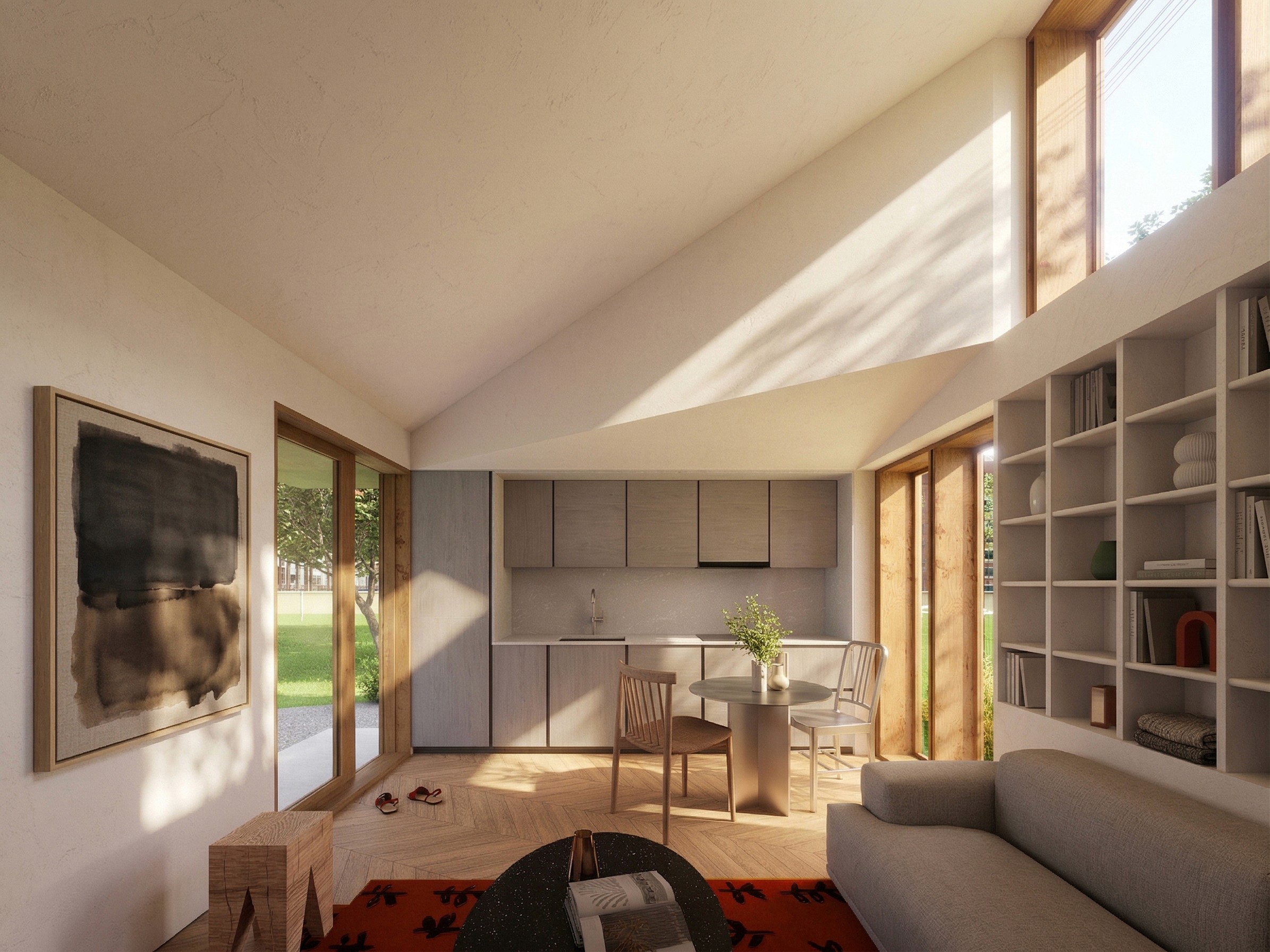
Vaulted interiors with clerestory windows flood the space with light.
Walk-in shower, wide vanity, in-unit laundry.
Floor-to-ceiling birch shelving maximizes every square foot.
What our clients say
“
A. Membrino
Queens, NY
“
D. Leventhal
“
D. Sherwood
W. Hartford, CT
DOB Compliant
Built for New York City's new ADU rules.
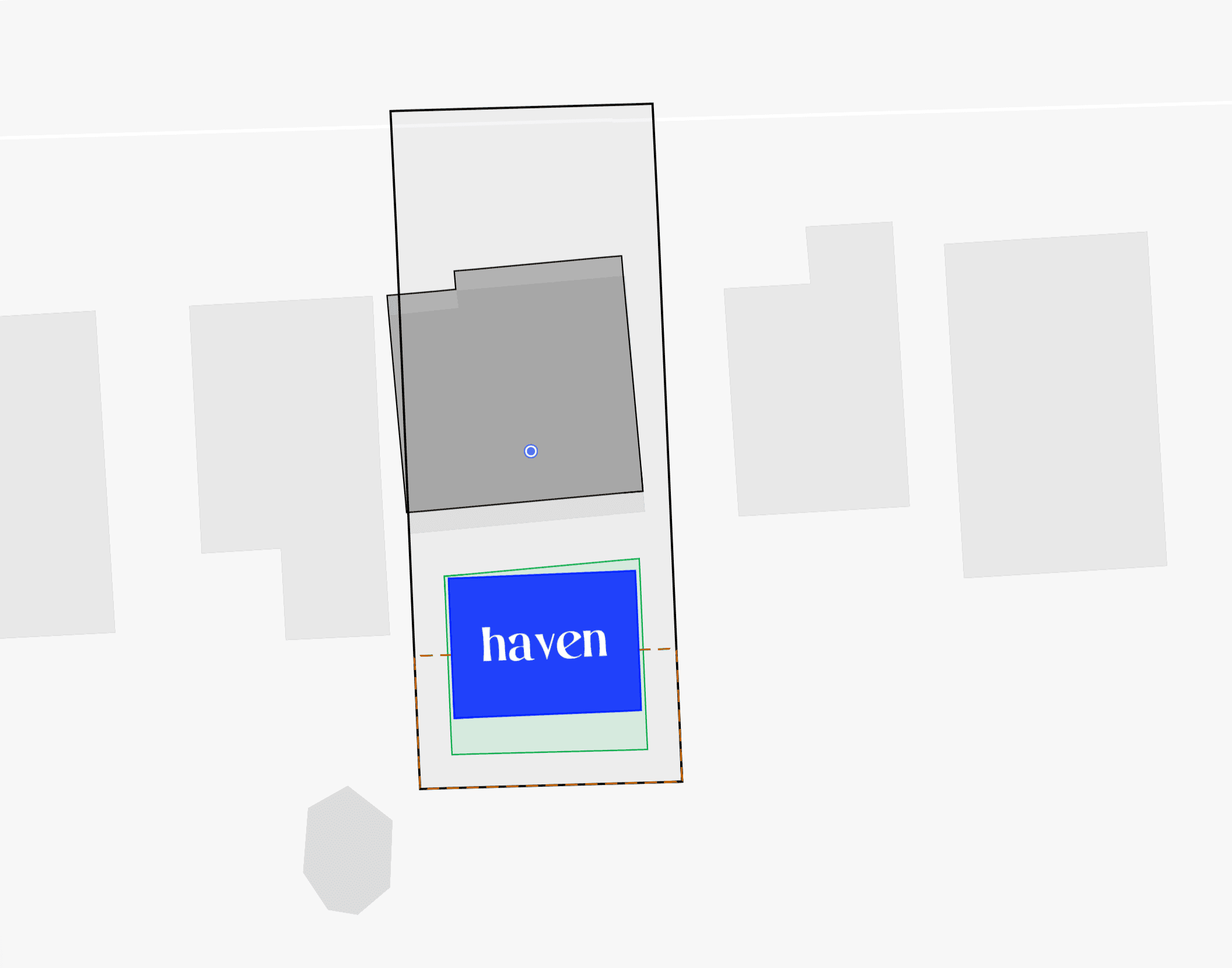
NYC's City of Yes made detached backyard ADUs legal citywide. The rules are complex — flood zones, lot coverage, setbacks, and historic districts all apply.
Haven navigates every constraint. We check eligibility, handle DOB filing, and ensure compliance with Local Laws 126 and 127.
Read Our NYC ADU Guide
Frequently asked questions
Everything you need to know about building a backyard ADU
in New York City under the City of Yes zoning changes.
What is an ADU and are they legal in New York City?
An ADU (Accessory Dwelling Unit) is a self-contained home with its own kitchen, bathroom, and entrance, built on the same lot as an existing house. Following the passage of the City of Yes for Housing Opportunity in December 2024, detached backyard ADUs became legal on one- and two-family properties across New York City when the zoning text took effect in June 2025. The NYC Department of Buildings began accepting ADU permit applications on September 30, 2025.
Which NYC homeowners can build a backyard ADU?
Owners of one- and two-family homes in most residential districts across the five boroughs can apply. Eligibility depends on your zoning district, lot size, lot coverage, rear yard dimensions, and whether your property sits in a flood zone or historic district. Detached backyard ADUs are not permitted in historic districts, R1-2A, R2A, and R3A zoning districts outside the Greater Transit Zone, or properties within the DEP's interim flood risk area. Additionally, the property must be the owner's primary residence at the time the ADU receives its Certificate of Occupancy. Haven's eligibility tool analyzes all of these factors when you enter your address.
How big can a backyard ADU be in NYC?
Detached backyard ADUs in NYC are capped at 800 square feet of floor area. A detached ADU also cannot cover more than 33% of the required rear yard area. Maximum height for portions within the rear yard is limited to one story, not to exceed 15 feet. The exact size you're allowed depends on your specific lot coverage, zoning district, and rear yard requirements.
Do I need a permit to build an ADU in my backyard?
Yes. Every detached backyard ADU requires a full building permit filed with the NYC Department of Buildings through the DOB NOW: Build portal. The filing includes a zoning analysis, site plan, architectural drawings, and structural and MEP documents. Haven handles the entire permitting process, including DOB filing and approvals.
What is City of Yes and how does it affect ADUs?
City of Yes for Housing Opportunity is the most significant overhaul of NYC's residential zoning rules in a generation, adopted by the City Council on December 5, 2024. Among its many provisions, it legalized detached backyard ADUs on one- and two-family lots in most residential zoning districts — an option that was previously unavailable to most NYC homeowners. Certain areas are excluded, including historic districts, some low-density contextual zones, and flood-risk areas.
Can I rent out my backyard ADU in New York City?
Yes. Once your ADU receives its certificate of occupancy, you can legally rent it out as a long-term residential unit with a minimum lease of 30 days. Many NYC homeowners build ADUs specifically for rental income. Rental rates vary significantly by borough, neighborhood, unit size, and finishes — a well-designed ADU in many parts of NYC can command competitive market rents.
How long does it take to build an ADU in NYC?
From signed contract to move-in, most backyard ADU projects are expected to take roughly 12 to 18 months. That includes an estimated 4 to 6 months for design and permitting, 2 to 4 months for DOB approvals, and 3 to 6 months for construction. Timelines vary based on lot conditions, zoning complexity, and DOB review cycles. Homeowners who choose a pre-approved design from the DOB's Pre-Approved Plan Library may be able to shorten the approval phase.
Can I build an ADU if my property is in a flood zone?
Properties located inside the NYC Department of Environmental Protection's interim flood risk area are not eligible for detached backyard ADUs or basement ADUs. The DEP's interim flood risk area map, adopted in 2025, determines which properties are affected. If your lot falls outside the DEP flood risk area but within a FEMA-designated flood zone, additional flood-resistant construction standards under Appendix G of the Building Code may apply. Haven reviews your property against the current flood maps during eligibility check.