
The Plus One ADU Program: Everything NYC Homeowners Need to Know
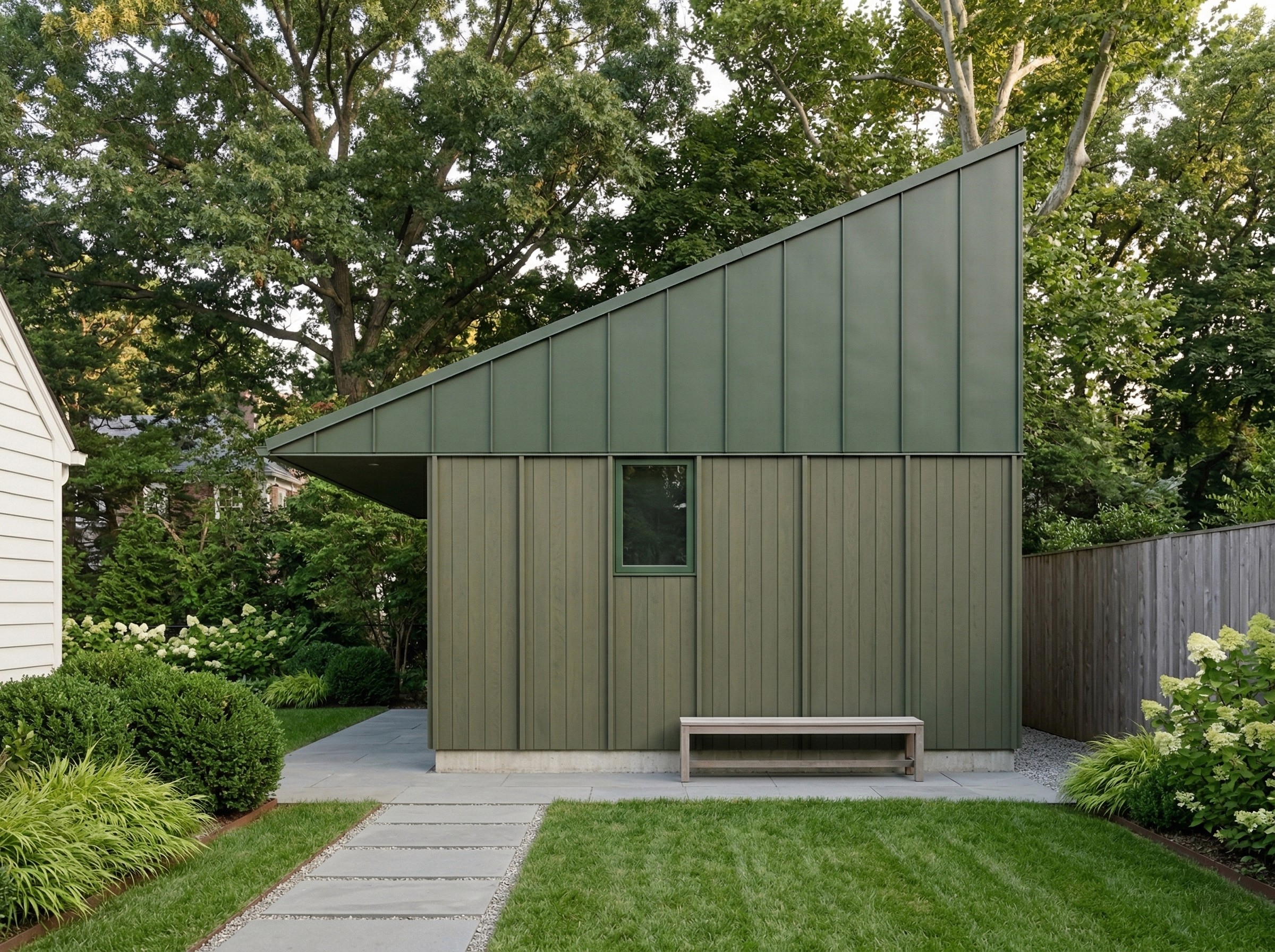
The Plus One ADU Program is the most significant public financing tool available to New York City homeowners who want to build an accessory dwelling unit. It provides up to $395,000 in combined grants and low-interest loans to help cover the cost of adding a basement apartment, garage conversion, attic unit, or detached backyard cottage to your property.
The program is jointly funded by the NYC Department of Housing Preservation & Development (HPD) and New York State Homes and Community Renewal (HCR), and administered in partnership with Restored Homes HDFC. It covers not just the construction financing but the entire process — from pre-development feasibility through construction completion and initial tenant lease-up.
Applications reopened on March 18, 2026 after a two-year pause. The current window closes June 12, 2026. This guide covers everything you need to know to determine whether you qualify, understand the financial terms, and submit a strong application before the deadline.
Program History and Context
The Plus One ADU Program launched in late 2023 as a pilot under the Adams administration, timed to coincide with the City of Yes for Housing Opportunity zoning reforms that were making their way through the City Council. The program opened for initial applications in November 2023.
The response was overwhelming. Within two weeks, HPD received over 1,300 submissions — far exceeding expectations. The intake survey closed on February 13, 2024, and the program paused to work through the backlog of applications and match eligible homeowners with the program's design and construction pipeline.
For the next two years, the program accepted no new applications. During this period, the City of Yes was formally adopted by the City Council on December 5, 2024, fundamentally expanding ADU eligibility citywide. DOB began accepting ADU permit applications through DOB NOW: Build on September 30, 2025.
On March 18, 2026, the Mamdani administration reopened the Plus One ADU Program alongside several new ADU tools: a Pre-Approved Plan Library (11 DOB-reviewed ADU designs), a new ADU for You website with feasibility analysis and cost estimating tools, and a simplified permitting process for pre-approved plans.
Key Dates: November 2023: Program launched, intake survey opened February 2024: Intake survey closed (1,300+ submissions) February 2024 – March 2026: Program paused for new applications December 2024: City of Yes adopted by City Council September 2025: DOB begins accepting ADU permit applications March 18, 2026: Applications reopened under Mayor Mamdani June 12, 2026: Current application deadline |
How Much Money Is Available
The Plus One ADU Program provides up to $395,000 per homeowner in combined financial support. This breaks down into two components:
The HPD Loan: Up to $220,000
This is a loan from the NYC Department of Housing Preservation & Development. Key terms from the official HPD term sheet:
• Maximum amount: $220,000
• Interest rate: Starts at 5%, but can be reduced sequentially in quarter-point increments down to 0% based on affordability
• Loan term: 15 years (180 months) for loans over $15,000. Can be extended up to 30 years (360 months) if needed for affordability.
• Affordability test: Monthly payments are set so that the household retains at least $200/month in cash flow after all debt obligations are subtracted from income.
• Collateral: Secured by the property.
The HCR Grant: Up to $175,000
This is a grant from New York State Homes and Community Renewal. It does not need to be repaid.
• Maximum amount: $175,000
• Repayment: None — this is a grant, not a loan
• Source: Funded by New York State through HCR
• Purpose: Covers construction costs alongside the HPD loan
Combined: Up to $395,000
Together, the $220,000 HPD loan and $175,000 HCR grant provide up to $395,000 in total financing. For most ADU projects in NYC — particularly basement conversions, garage conversions, and smaller detached units — this covers the majority or all of construction costs.
Example: For a $250,000 detached backyard ADU, a homeowner at 120% AMI might receive a $175,000 grant (no repayment) and a $75,000 loan at 2% over 15 years — a monthly payment of approximately $483. The ADU generates $2,100/month in rent. Net monthly income after loan payment: ~$1,617. |
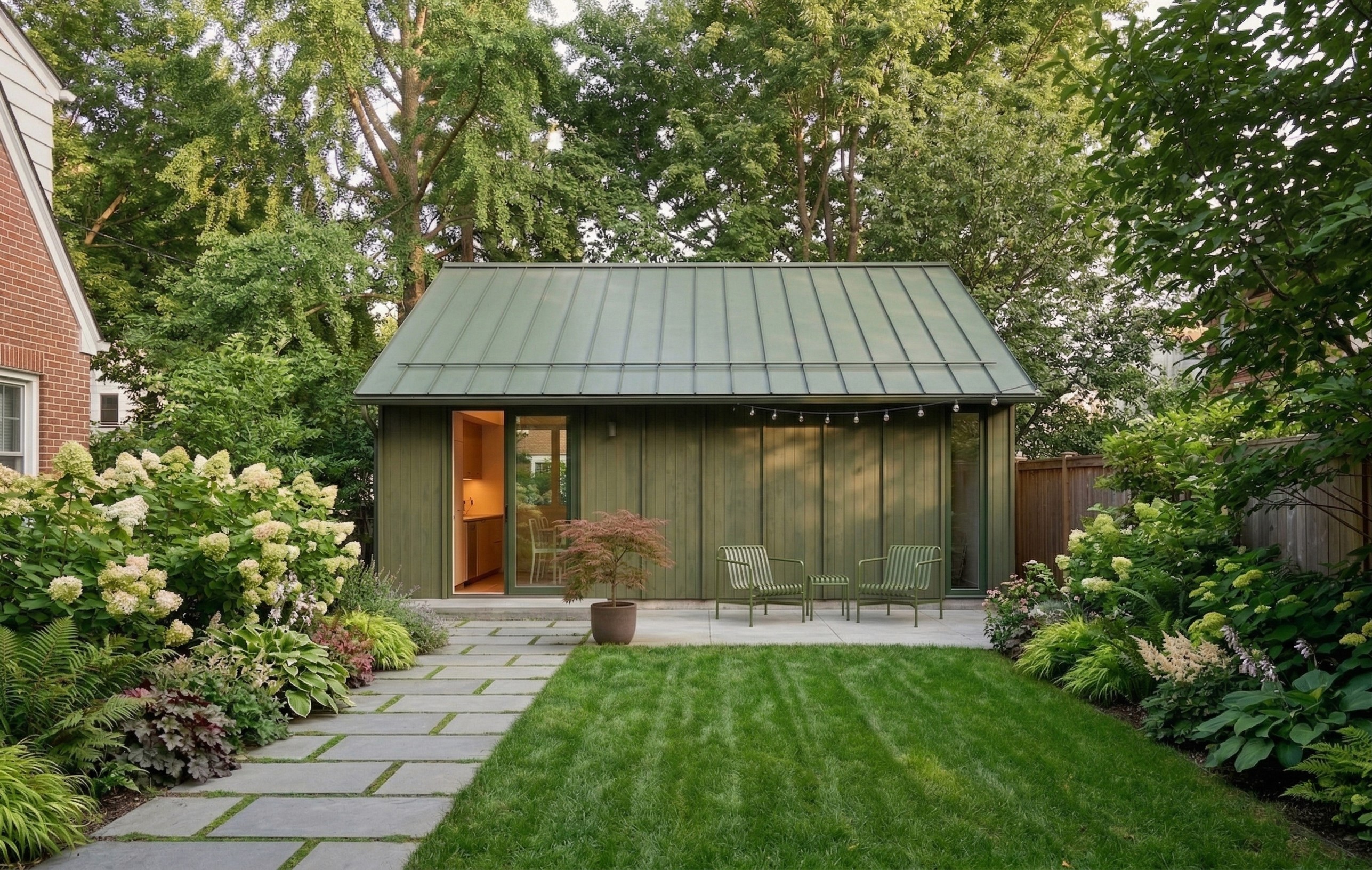
The Two Loan Options: Repayable vs. Deferred-Forgivable
This is one of the most important and least-understood aspects of the program. Homeowners have two financing paths, and the choice between them has significant long-term implications.
Option 1: Repayable Loan (No Rent Restriction)
If underwriting determines you can afford monthly payments, you receive a standard repayable loan. The interest rate starts at 5% and is reduced as needed for affordability (down to 0%). The term starts at 15 years and can extend to 30 years.
Under this option, there is no regulatory agreement on the ADU. You can rent the unit at market rate, to any tenant, at whatever rent the market supports. You have full flexibility.
Option 2: Deferred-Forgivable Loan (Rent Restriction Required)
If underwriting determines you cannot afford a repayable loan even at 0% interest over 30 years, the program provides a deferred-forgivable loan instead. The loan is forgiven over time — you do not make monthly payments.
However, this option comes with a rent restriction: the ADU must be rented at or below 100% of Area Median Income (AMI), with annual rent increases capped at 2%. For a studio in NYC in 2026, 100% AMI rent is roughly $1,600–$1,900/month depending on household size.
Feature | Repayable Loan | Deferred-Forgivable Loan |
Monthly payments | Yes (income-based) | No |
Interest rate | 0%–5% (based on affordability) | N/A (forgiven) |
Rent restriction on ADU | None — market rate | Yes — capped at 100% AMI, 2% annual increase |
Best for | Homeowners who can afford payments and want maximum rental income | Homeowners who cannot afford monthly payments |
Haven's take: If you can qualify for the repayable loan, it is almost always the better financial choice. The freedom to set market-rate rents typically generates far more income over time than the monthly loan payments cost. The deferred-forgivable option is a valuable safety net for lower-income homeowners, but the rent cap meaningfully limits your long-term income. |
Who Is Eligible
Income Requirements
• Maximum household income: 165% of Area Median Income (AMI). For a two-person household in NYC in 2026, this is approximately $213,800. For a family of four, approximately $267,300. Check HPD's AMI chart for your exact household size.
• Preference tier: Homeowners at or below 100% AMI ($129,600 for a two-person household) receive priority.
• Secondary preference: Homeowners between 100% and 120% AMI ($129,600–$155,500 for a two-person household).
Property Requirements
• Owner-occupied: You must own and live in the property. HPD cross-references city property records to verify ownership.
• Property type: One- or two-family residential home. The property must allow for ADU construction under existing building and zoning code.
• Individual ownership: The property must be owned by an individual, not an LLC. If your home is in an LLC, you may need to restructure before applying.
• Property condition: The home must not require major repairs beyond those essential to the ADU construction. Existing housing or building code violations must be cleared or addressed as part of the project.
• Location: The property must be outside the Special Coastal Risk District (per FEMA flood zone designation). For basement conversions specifically, the space must be outside the 2050 Stormwater Flood area and the 2080 100-year coastal flood zone.
What ADU Types Are Eligible
The program covers multiple ADU typologies:
• Detached backyard cottage (new construction in the rear yard)
• Basement or cellar conversion (converting existing below-grade space to a legal dwelling)
• Garage conversion (converting an existing garage to a dwelling unit)
• Attic conversion (converting existing above-grade space to a legal dwelling)
• Attached addition (new construction connected to the existing building)
Haven specializes in detached backyard ADUs. All types listed above are eligible for Plus One financing.
How the Application Process Works
The application process has multiple stages. Understanding what to expect at each stage helps you prepare and avoid delays.
Step 1: Submit the Intake Survey (Now Open — Deadline June 12, 2026)
The first step is an online intake survey hosted on ArcGIS Survey123. You can access it through HPD's Plus One ADU page or through nycadu.com/apply. The survey collects:
• Your contact information (name, email, phone — use the email you check most frequently, as HPD sends all follow-up communications there)
• Your property address (HPD verifies ownership, zoning, and building type against city records)
• A description of your home (number of existing units, building type — detached, semi-detached, or semi-attached — whether you have a basement, garage, or usable yard space)
• The type of ADU you are considering (basement, garage, attic, detached structure, etc.)
• A $200 non-refundable application fee
Tip: Submit the intake survey as early as possible — do not wait until June. HPD reviews applications on a rolling basis and funding is limited. Early applicants have a meaningful advantage. |
Step 2: Site Feasibility Review
After receiving your intake survey, the Plus One ADU team conducts an initial site feasibility review of your property. This includes verifying zoning eligibility, assessing the physical feasibility of the ADU type you proposed, and checking for flood zone, coastal risk, or other disqualifying conditions.
You will be contacted by the program team with the results. If your property passes the feasibility review, you move to the formal application stage.
Step 3: Formal Application and Underwriting
Eligible homeowners receive a formal program application. This stage involves income verification, credit review, and debt-to-income analysis. This is where the program determines whether you qualify for a repayable loan or a deferred-forgivable loan.
The underwriting process determines your specific loan terms: the interest rate (0%–5%), the loan amount, and the term length (15–30 years).
Step 4: Design and Pre-Development
Once approved, Restored Homes HDFC — the program's development partner — works with you on the ADU design, engineering, and permitting. This stage includes selecting or designing the ADU, producing construction documents, and filing for DOB permits.
Homeowners can choose from the city's Pre-Approved Plan Library (11 designs already reviewed by DOB, launched March 2026) for faster permitting, or work with a registered design professional on a custom design.
Step 5: Construction
Construction is managed through the Restored Homes partnership. The program provides oversight through construction completion, including draw schedules for loan disbursement as construction milestones are reached.
Step 6: Lease-Up
Restored Homes supports homeowners through the initial lease-up of the ADU — helping you find a tenant and execute a lease. For homeowners with deferred-forgivable loans, this stage includes setting the initial rent within the 100% AMI restriction.
The HCR Gap Loan (Additional Financing)
Separately from the core Plus One program, New York State HCR offers a gap financing program for homeowners who have secured primary ADU financing but need additional capital to close a funding gap.
• Loan amount: $10,000 to $85,000
• Interest rate: 0%
• Purpose: Fills the gap between primary financing (Plus One, HELOC, etc.) and total project cost
• Eligibility: Must have secured other funding sources for the ADU project
• Administration: Through CDFIs and state-supervised nonprofit lending institutions selected by HCR
This is not a substitute for the Plus One program — it supplements it. For homeowners whose total ADU cost exceeds the $395,000 Plus One cap, the gap loan can cover the difference.
Other Tools Launched Alongside Plus One (March 2026)
The Mamdani administration launched several complementary ADU tools alongside the Plus One reopening:
Pre-Approved Plan Library
Multiple ADU designs that have already been reviewed and approved by DOB (the library launched with 11 designs in March 2026 and may expand). Homeowners who select a design from the library are connected with the registered design professional who created it for site-specific approval. Using a pre-approved plan significantly reduces permitting time.
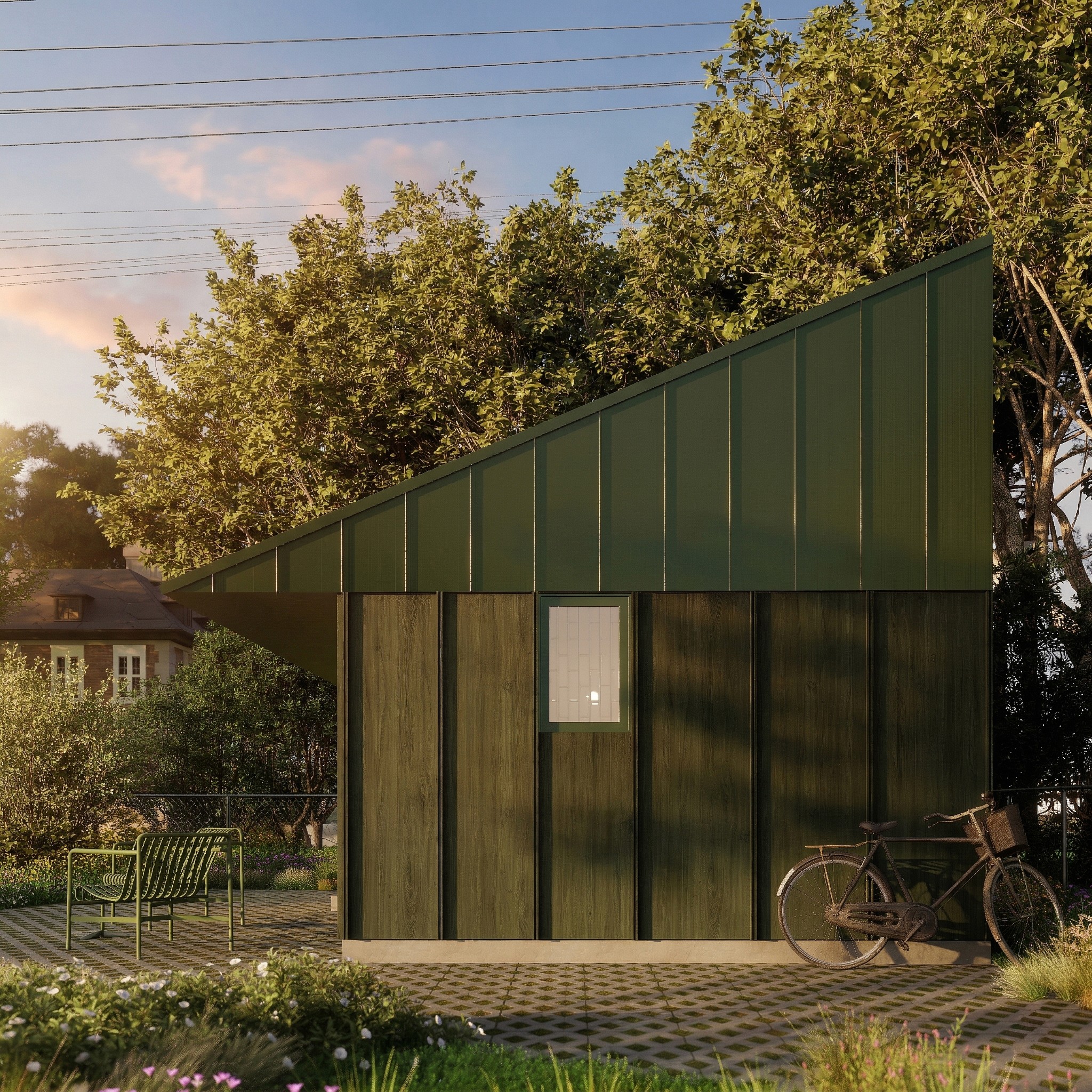
Haven PreApproved Studio
ADU for You Website
A new online resource featuring an ADU guidebook, the Pre-Approved Plan Library, site feasibility analysis tools, and cost estimating tools. Designed to help homeowners navigate the ADU process from initial research through construction.
Simplified Permitting
For pre-approved plans, DOB has streamlined the permitting process. Projects using library designs face faster review timelines than custom-designed ADUs.
How Plus One Compares to Other Financing
Option | Max Amount | Cost to Homeowner | Best For |
Plus One ADU Program | $395K ($175K grant + $220K loan) | 0%–5% interest on loan; grant is free | Income-qualifying homeowners (≤165% AMI) |
HELOC | Varies (80-90% of equity) | Variable rate (prime + 0.5–2%) | Homeowners with strong equity, above AMI cap |
Home Equity Loan | Varies (80-85% of equity) | Fixed rate (6–9%) | Homeowners wanting fixed payments |
Construction Loan | Up to project cost | Prime + 1–3%, short-term | Large projects, limited equity |
Cash-Out Refinance | Up to 80% of home value | Current mortgage rates | Homeowners already near market rate |
HCR Gap Loan | $10K–$85K | 0% | Homeowners with partial funding secured |
Common Mistakes and How to Avoid Them
• Waiting until the deadline to apply: HPD reviews on a rolling basis. Early applicants have a structural advantage — they enter the pipeline before funding is fully allocated. Apply now, not in June.
• Applying with an LLC-owned property: The program requires individual ownership. If your home is in an LLC, restructuring takes time. Start this process immediately if it applies to you.
• Ignoring existing violations: Open housing or building code violations can disqualify your property or delay your application. Check your property's status on HPD Online or DOB NOW and address any violations before applying.
• Underestimating the timeline: From intake survey to move-in, the full Plus One process takes 18–24 months. Factor this into your planning.
• Assuming the program covers everything: The $395,000 cap covers most ADU projects, but larger or more complex builds — especially detached backyard structures with significant site work — may exceed it. Have a plan for the gap (savings, HELOC, HCR gap loan).
• Not understanding the loan options: The repayable vs. deferred-forgivable choice has major long-term financial implications. Understand both before you enter underwriting.
Frequently Asked Questions
When is the application deadline?
June 12, 2026. The intake survey is open now at HPD's Plus One ADU page. Submit as early as possible — HPD reviews on a rolling basis.
How much money can I get?
Up to $395,000 total: a $175,000 grant (no repayment) plus a $220,000 loan (0%–5% interest, 15–30 year term). The exact amount depends on your project scope and underwriting.
Do I have to pay back the grant?
No. The $175,000 HCR grant does not need to be repaid. The $220,000 HPD loan does need to be repaid, unless you qualify for the deferred-forgivable option.
What are the income limits?
Your household income must be at or below 165% of Area Median Income. For a two-person household in NYC in 2026, that is approximately $213,800. For a family of four, approximately $267,300. Preference is given to households at or below 100% AMI. Check HPD's AMI chart for your exact household size.
Can I use Plus One for a detached backyard ADU?
Yes. The program covers all eligible ADU types including detached backyard cottages, basement conversions, garage conversions, attic conversions, and attached additions.
What happens if I cannot afford the loan payments?
HPD first reduces the interest rate (down to 0%) and extends the term (up to 30 years). If you still cannot afford payments, you receive a deferred-forgivable loan instead — no monthly payments, but the ADU rent must be capped at 100% AMI with 2% annual increases.
Can I rent the ADU at market rate?
If you receive the repayable loan (no regulatory agreement), yes — you can charge whatever the market will bear. If you receive the deferred-forgivable loan, rent is capped at 100% AMI.
Is there a fee to apply?
Yes, a $200 non-refundable application fee is required with the formal application (Step 2, after the intake survey).
Can I combine Plus One with other financing?
Yes. Homeowners commonly combine Plus One with personal savings or a small HELOC to cover costs above the $395,000 cap. The HCR gap loan program ($10,000–$85,000 at 0%) is also available as supplemental financing.
My property is in a flood zone — am I eligible?
Properties in the Special Coastal Risk District are not eligible. For basement conversions specifically, the space must be outside the 2050 Stormwater Flood area and the 2080 100-year coastal flood zone. Detached backyard ADUs face fewer flood-related restrictions.
How long does the whole process take?
From intake survey submission to ADU completion and tenant move-in, expect 18–24 months. The program covers the full timeline: feasibility review, application and underwriting, design and permitting, construction, and lease-up.
Can I use one of the city's pre-approved ADU plans with Plus One?
Yes. The Pre-Approved Plan Library (11 DOB-reviewed designs) launched alongside the Plus One reopening in March 2026. Using a pre-approved plan can reduce your permitting timeline significantly.
Next Steps
If you own a one- or two-family home in New York City and earn under 165% AMI, the Plus One ADU Program is the single best financing option available for building an ADU. The math is hard to beat: up to $175,000 that never needs to be repaid, plus a low-interest loan with terms that adjust to your income.
The current application window closes June 12, 2026. The last time the program opened, it paused for two years. Do not assume another window will open soon.
Start by checking your property's eligibility at havenadus.com/eligibility. If your property qualifies for an ADU under City of Yes, the Plus One financing can make it happen.
Check your address at havenadus.com/eligibility — then apply to Plus One before June 12, 2026. |
Disclaimer
Haven ADUs is a design-build firm, not a lender, financial advisor, or government agency. This guide is for informational purposes only and reflects program terms as of April 2026 based on publicly available HPD and HCR documents. Program terms, eligibility requirements, and availability are subject to change. Always verify current details directly with HPD (nyc.gov/hpd) or HCR (hcr.ny.gov) before making financial decisions.